

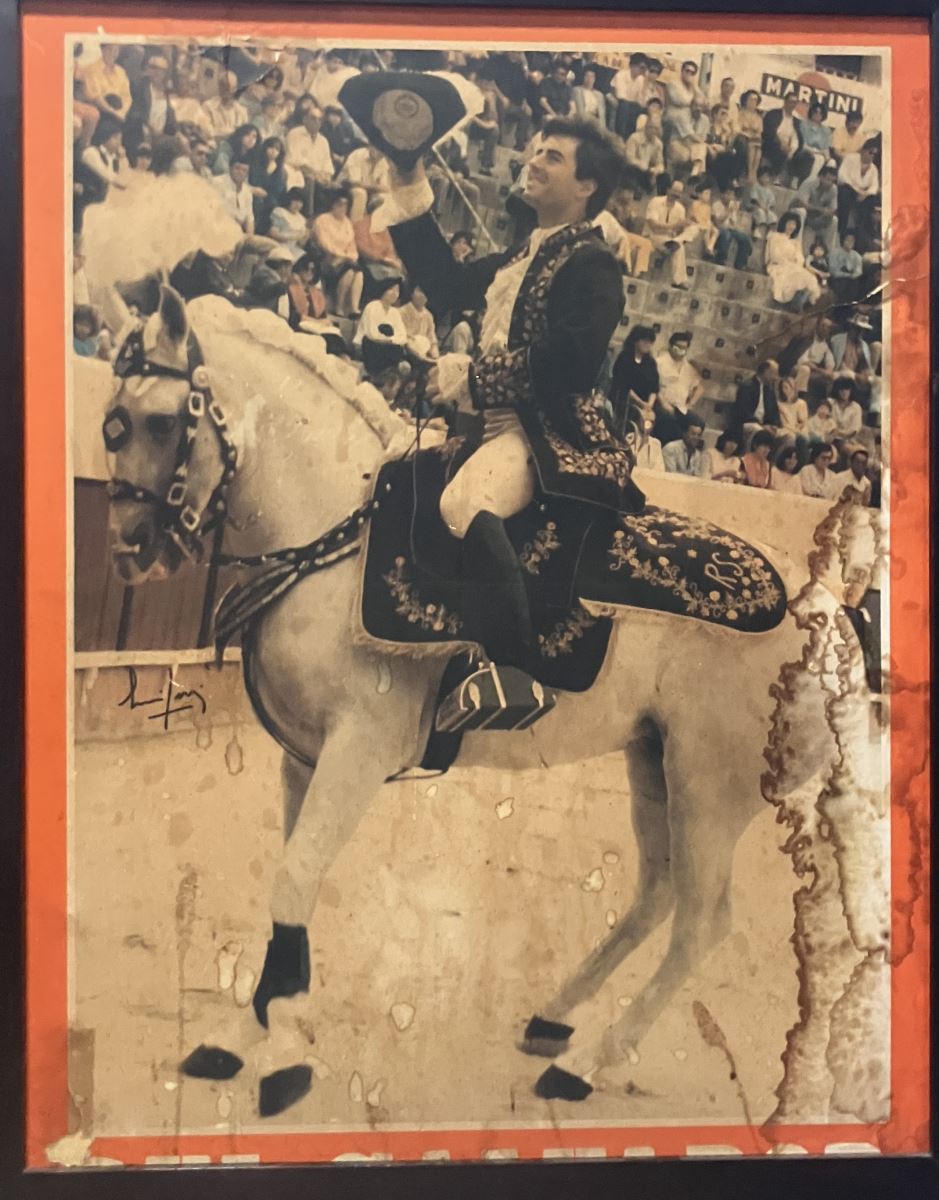
Twenty-five members and guests enjoyed a long weekend from the 19 to 21 June 2026 visiting the Ribatejo and Santarém. The main theme of the trip was to follow the footsteps of Ginnie Dennistoun, a daring, traditionally brought-up 22-year-old .JPG) Englishwoman, who rebelled and left behind the “swinging sixties” of the UK to be a bullfighter in Portugal. She lived in the Ribatejo in the 1960s and became the third-ever woman bullfighter in the country. Adopted by the bullfighting fraternity, she made lasting friendships and engaged in a passionate but secret affair with her equestrian coach, Alberto Luís Lopes, some twenty years her senior. Despite Alberto's offer of marriage and the opportunity to move to Mexico with him, she opted to return to Britain after four years. Being a foreigner and a woman in the deeply conservative and male-dominated Portugal of Salazar’s dictatorship had not been straightforward and she was under constant pressure to return by her father, who disapproved of Alberto. She never again set foot on Portuguese soil, except in her dreams. She married an Englishman who trained racehorses, like her father, and raised a family. Tragically, her life was cut short in 2008, aged 67, by multiple sclerosis, having courageously fought the disease to the end.
Englishwoman, who rebelled and left behind the “swinging sixties” of the UK to be a bullfighter in Portugal. She lived in the Ribatejo in the 1960s and became the third-ever woman bullfighter in the country. Adopted by the bullfighting fraternity, she made lasting friendships and engaged in a passionate but secret affair with her equestrian coach, Alberto Luís Lopes, some twenty years her senior. Despite Alberto's offer of marriage and the opportunity to move to Mexico with him, she opted to return to Britain after four years. Being a foreigner and a woman in the deeply conservative and male-dominated Portugal of Salazar’s dictatorship had not been straightforward and she was under constant pressure to return by her father, who disapproved of Alberto. She never again set foot on Portuguese soil, except in her dreams. She married an Englishman who trained racehorses, like her father, and raised a family. Tragically, her life was cut short in 2008, aged 67, by multiple sclerosis, having courageously fought the disease to the end.
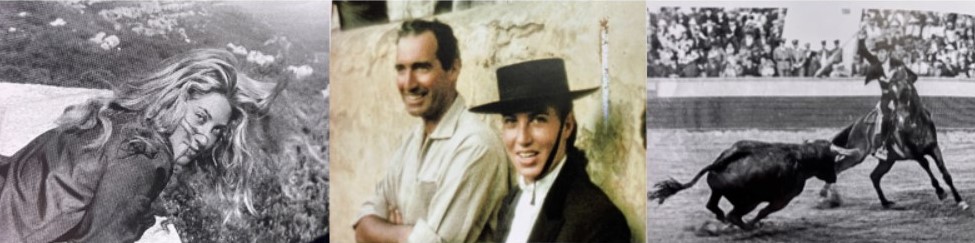
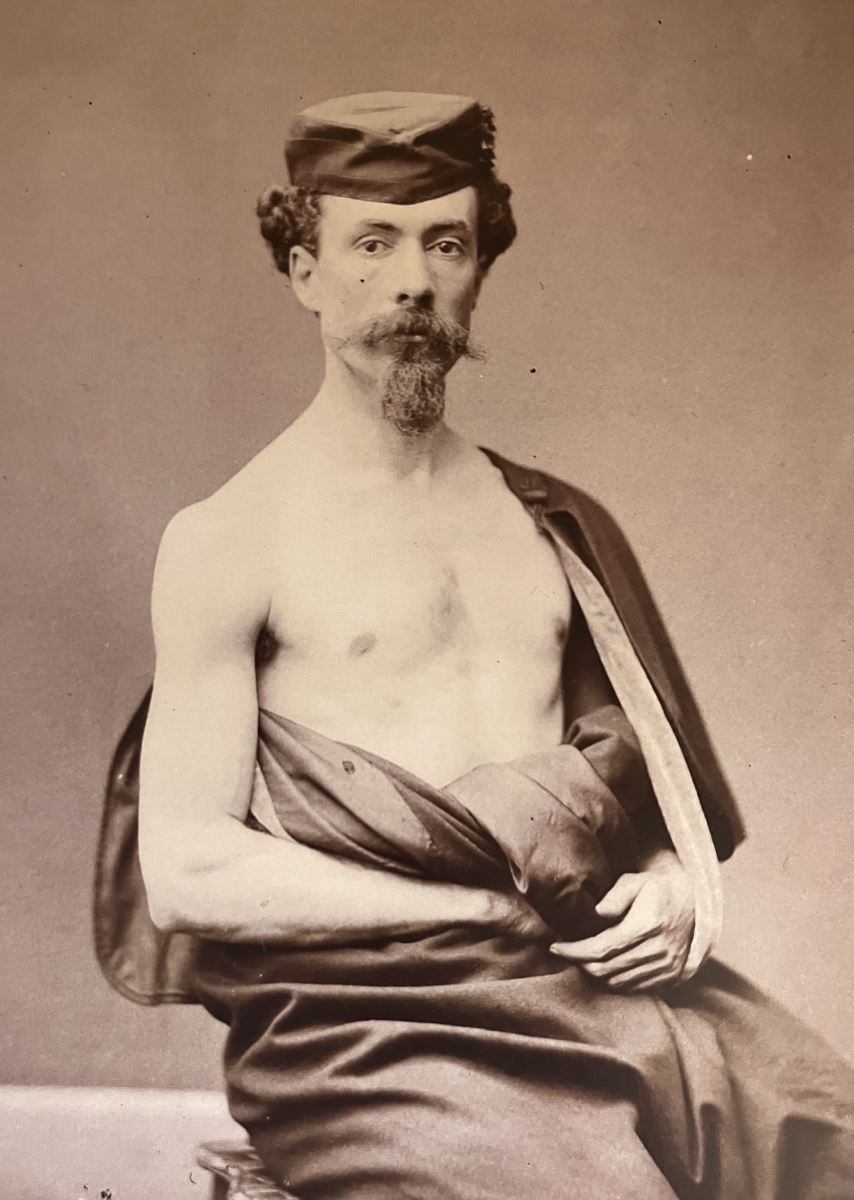
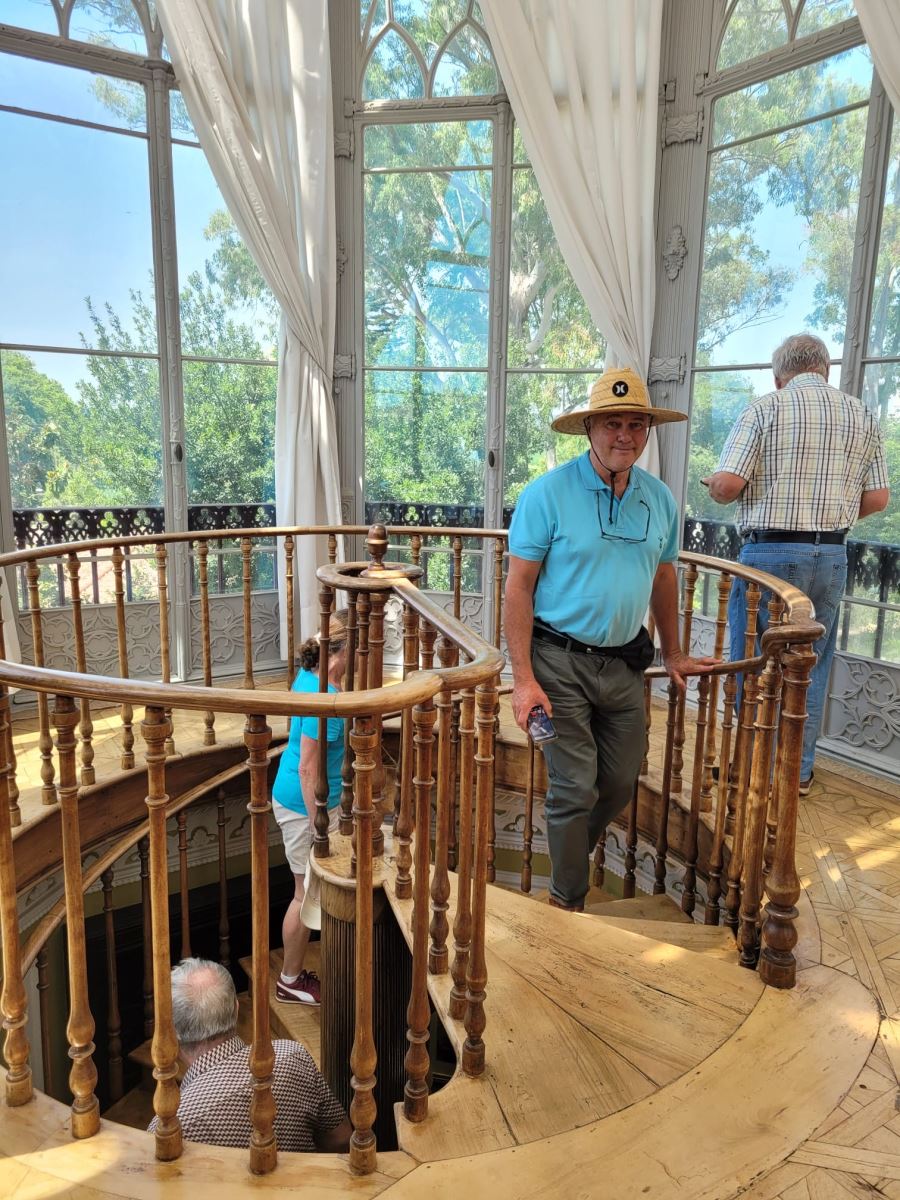
The group was privileged to be guided to sites of Ginnie’s time in Portugal by the writer Clara Macedo Cabral, who lives in London and published a book on the life of Ginnie, entitled ‘A Inglesa e o Marialva’ (Casa das Letras, Le Ya), roughly translated as ‘The Englishwoman and Bullfighter’. We also visited several sites of historical interest, which resulted in a very diverse and rewarding trip, which was conceived by Clara and organised by the travel agency Lusanova. Based at the very comfortable Hotel Lusitano in Golegã, our first visit was to the house/studio of the famous 19th century photographer Carlos Relvas. The hotel had been built on land that used to be the Relvas family’s private bull ring and the Town Hall is located on the site of the former ancestral home. Born in 1838, Relvas was a pioneer photographer, who bought his first cameras in Paris. An ardent monarchist, he first photographed in Porto, where he saw several shipwrecks at Foz, which induced him to invented a self-righting lifeboat later on. Relvas commissioned the well-known architect Cândido Cunha to design the iconic house, whose stairs are made of chestnut, in honour of his first wife’s surname. Relvas entertained José Malhoa and Columbano Bordalo Pinheiro in the main reception room and carried out his hobby of photography from 1860 onwards in the first-floor glass studio. He patented a photocopy process for multiple copies and participated in photographic competitions, winning a gold medal in Paris in 1879, the year of the construction of the Eiffel tower.
.JPG)
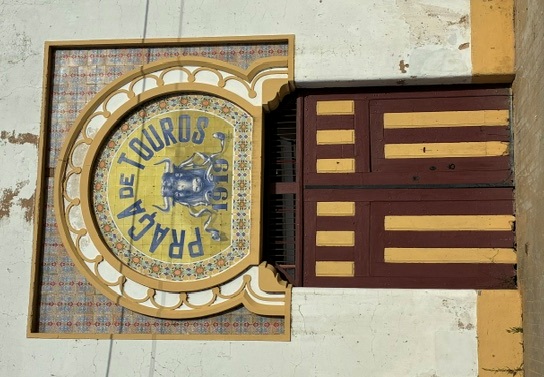
Returning to the story of the young Ginnie Denistoun, Clara explaned how Ginnie was introduced by contacts of English friends to David Ribeiro Telles from Coruche, scion of a bullfighting dynasty, who first trained her and subsequently introduced her to Alberto Luíz Lopes, who became her bullfighting coach for the next three years. We .JPG) next visited the small town of Chamusca do Ribatejo, and saw the house where Ginnie first lived as a guest of Meireles and Vasco Cid (she wrote Fado lyrics), with whom she struck up an enduring friendship. We stopped at the town's bullring where
next visited the small town of Chamusca do Ribatejo, and saw the house where Ginnie first lived as a guest of Meireles and Vasco Cid (she wrote Fado lyrics), with whom she struck up an enduring friendship. We stopped at the town's bullring where 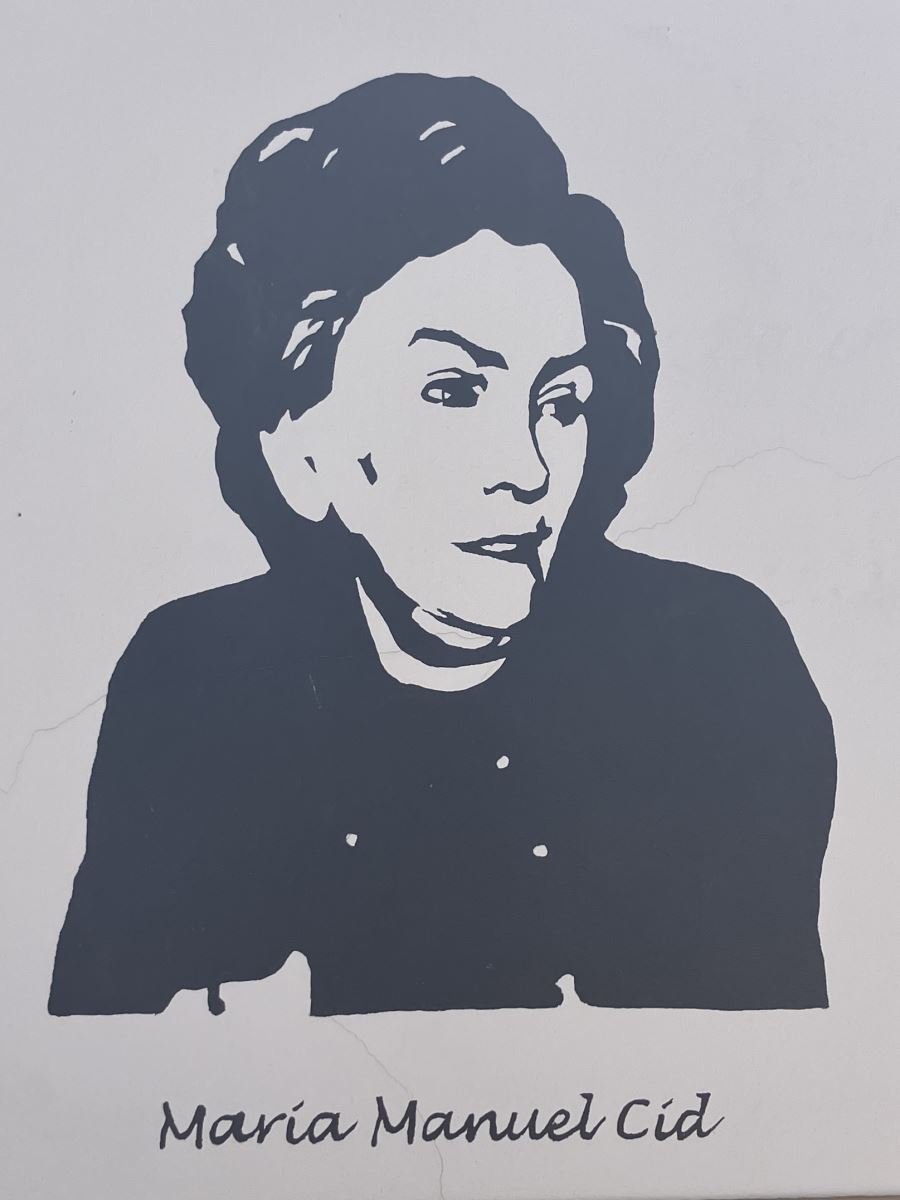 Ginnie trained in the offseason with total dedication for hours, day-after-day, under the tutelage of Alberto. Her first official appearance as a bullfighter was in April 1964. She adopted the petit nom of ‘Virginia Montsol’, maybe to consciously irk her father, as the name is a play on the surname Sonneburg – the illegitimate line of her father’s family. We stopped at the Coreto da Vila bandstand and saw the home of another faithful friend of Ginnie, a doctor.
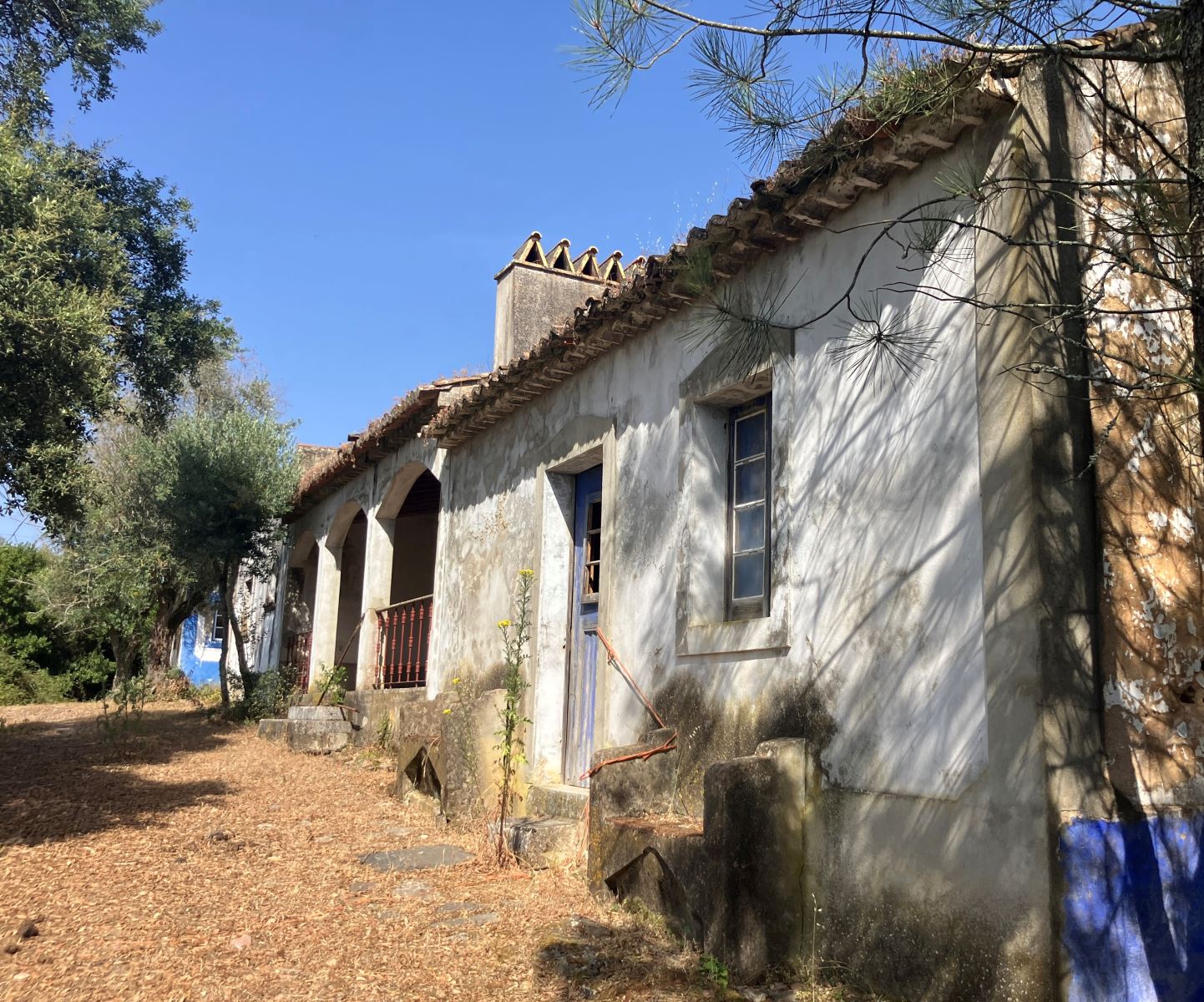
We were then treated to an authentic Ribatejo lunch at the Casal do Vale Formoso private estate, hosted by the owners, Tiago and Rita Prestes. .JPG) For many of the participants, a memorable moment was when we walked a few metres up the road to Casalinho do Bonfim, the simple – and now abandoned – farmhouse where Ginnie and her beloved Alberto lived together far from prying eyes towards the end of Ginnie’s time in Portugal. Here we saw the two rings where she would have trained her horses arduously. Next, we drove up to visit the Ermida de Nossa Senhora do Pranto church, which affords a splendid panoramic view of the Ribatejo plains. Legend holds that the populace wept and their tears made the River Tagus flood after being spared atrocities at the hands of the invading French in 1810/11.
For many of the participants, a memorable moment was when we walked a few metres up the road to Casalinho do Bonfim, the simple – and now abandoned – farmhouse where Ginnie and her beloved Alberto lived together far from prying eyes towards the end of Ginnie’s time in Portugal. Here we saw the two rings where she would have trained her horses arduously. Next, we drove up to visit the Ermida de Nossa Senhora do Pranto church, which affords a splendid panoramic view of the Ribatejo plains. Legend holds that the populace wept and their tears made the River Tagus flood after being spared atrocities at the hands of the invading French in 1810/11.
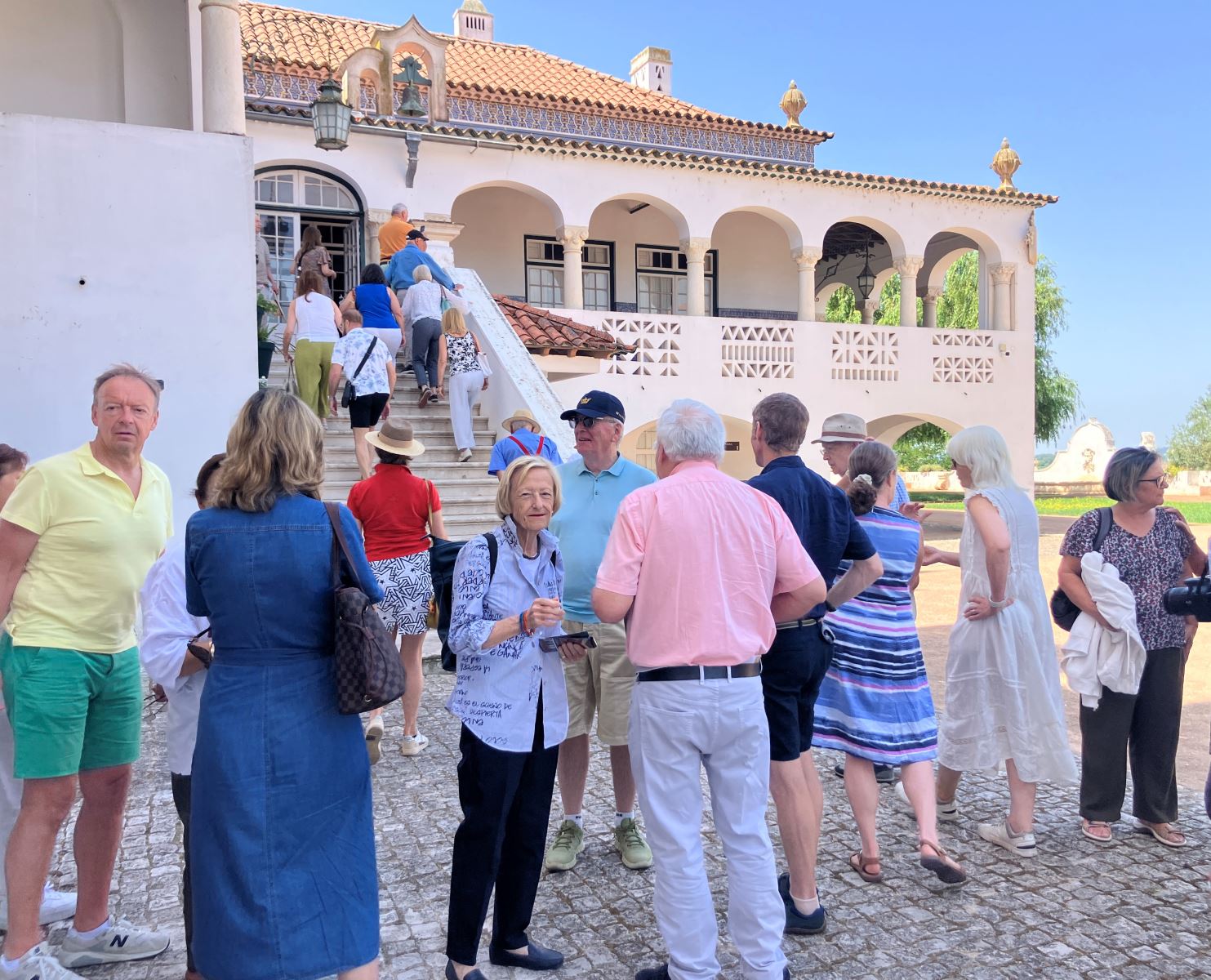
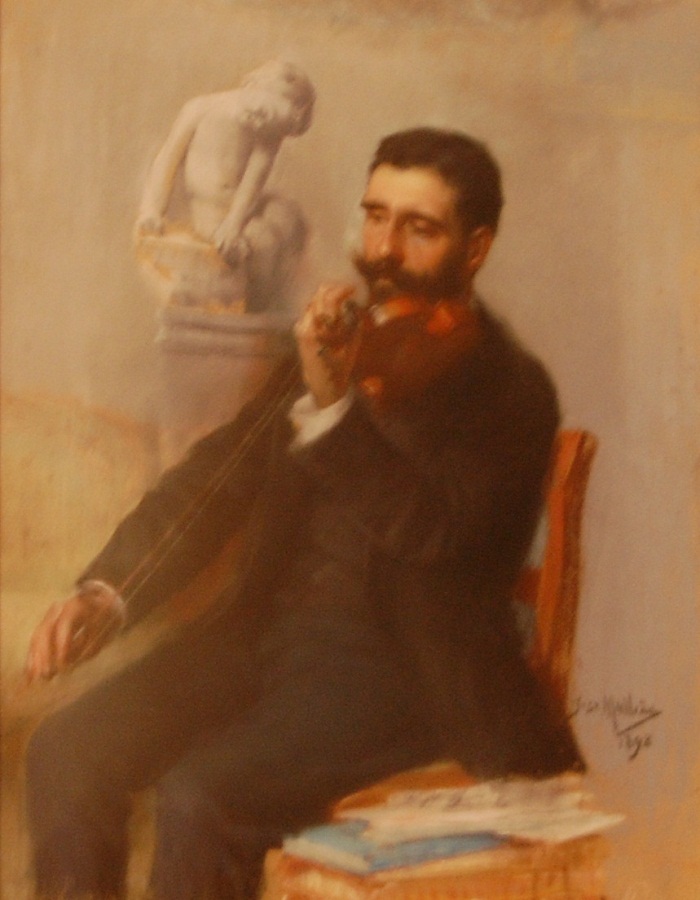
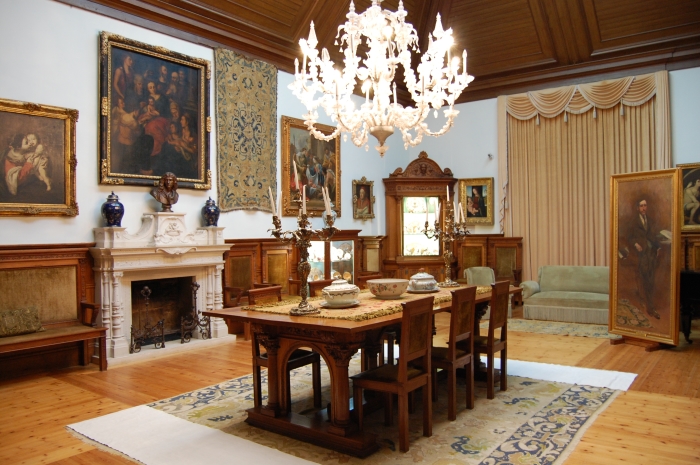
The following morning, we drove south to Alpiarça, where we had an excellent guided visit of the Casa de Patudos, the home of photographer Carlos Relvas’s son, José Relvas, a Republican, who was instrumental in the declaration of the First Republic on 5 October 1910 and briefly served as the country's Prime Minister in 1919. Given the house by his father in 1905, Relvas commissioned the fledgling architect Raul Lino to amplify the building. Lino was then a 25 years old student studying in Berlin and later went on to be one of Portugal’s most famous 20th-century architects. An avid art collector, Relvas literally stacked the house with precious works of art, including a collection of paintings mainly by leading Portuguese artists, including oils by Josefa de Óbidos, Silva Porto and Malhoa, one being a self-portrait of Malhoa with Stradivarius, as well as others by Scarlatti and Nicolas Boullout. We also saw his porcelain collection, including two Meisen statues, Japanese black vases, Loiças de Sacavem pieces and a miniature jar featuring Beethoven gifted by Bordalo Pinheiro, as well as his tile collection of Hispano-Arab tiles, half sourced from the old Cathedral of Coimbra and others from Almostar in Spain, a sculpture by Soares dos Reis and Obussan and Arriolas carpets, one made in 1761. .jpg) All three of José Relvas’ children were musical, but sadly none survived him. Two died of typhoid and his eldest son Carlos committed suicide aged 35. There are two theories for his suicide. One is that he fell in love with girl on his father’s staff, prompting his father to find a suitable potential bride with whom he arranged a meeting with Carlos on 13 December 1919. The next day, Carlos shot himself in the bedroom. His mother, Eugenia, heard the shot, rushed up, read the suicide note and immediately destroyed it and all her son’s belongings in a fury. The other theory is that Carlos’ father José was from one faction of the Freemasons and that Carlos was from a more junior faction, which ordered him to assassinate his own father. Rather than do so, he shot himself. In the concert room we saw the full-size portrait of Carlos by the piano he used to play, both of which can never be moved according to José Relvas’ will, which also ordained that the door to Carlos’ bedroom be permanently locked and that no one should be allowed to enter.
All three of José Relvas’ children were musical, but sadly none survived him. Two died of typhoid and his eldest son Carlos committed suicide aged 35. There are two theories for his suicide. One is that he fell in love with girl on his father’s staff, prompting his father to find a suitable potential bride with whom he arranged a meeting with Carlos on 13 December 1919. The next day, Carlos shot himself in the bedroom. His mother, Eugenia, heard the shot, rushed up, read the suicide note and immediately destroyed it and all her son’s belongings in a fury. The other theory is that Carlos’ father José was from one faction of the Freemasons and that Carlos was from a more junior faction, which ordered him to assassinate his own father. Rather than do so, he shot himself. In the concert room we saw the full-size portrait of Carlos by the piano he used to play, both of which can never be moved according to José Relvas’ will, which also ordained that the door to Carlos’ bedroom be permanently locked and that no one should be allowed to enter.
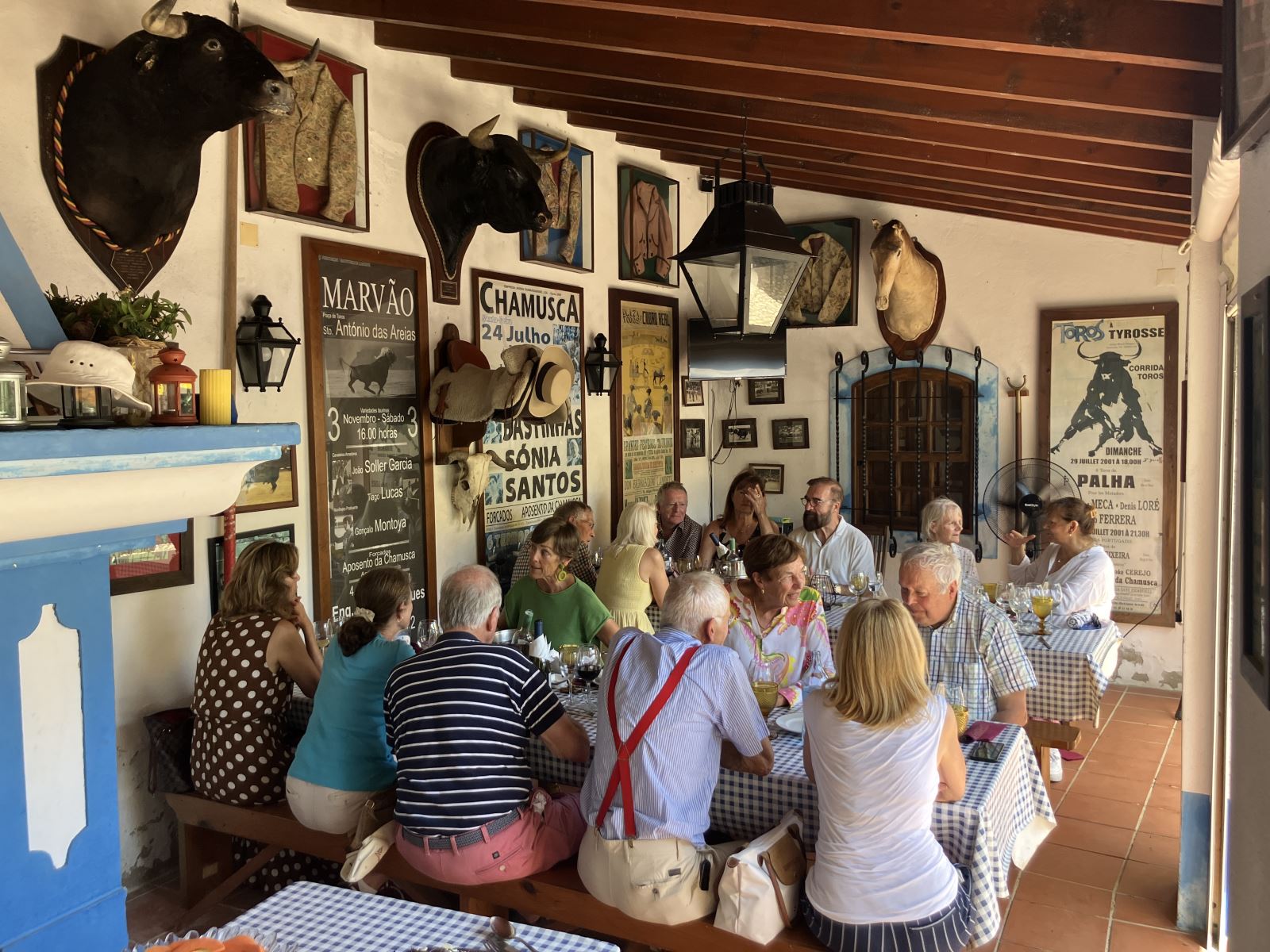
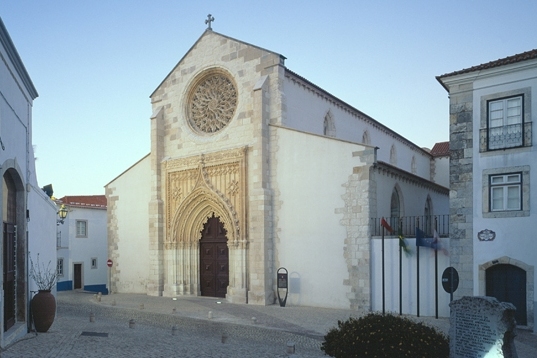
We had lunch at Taberna do Quinzena in Santarém before spending the afternoon in the ‘Gothic Capital’ of Portugal. The restaurant is 130 years’ old and is a true icon of the Ribatejo culture, whose walls are covered with vintage bullfighting posters and other memorabilia. 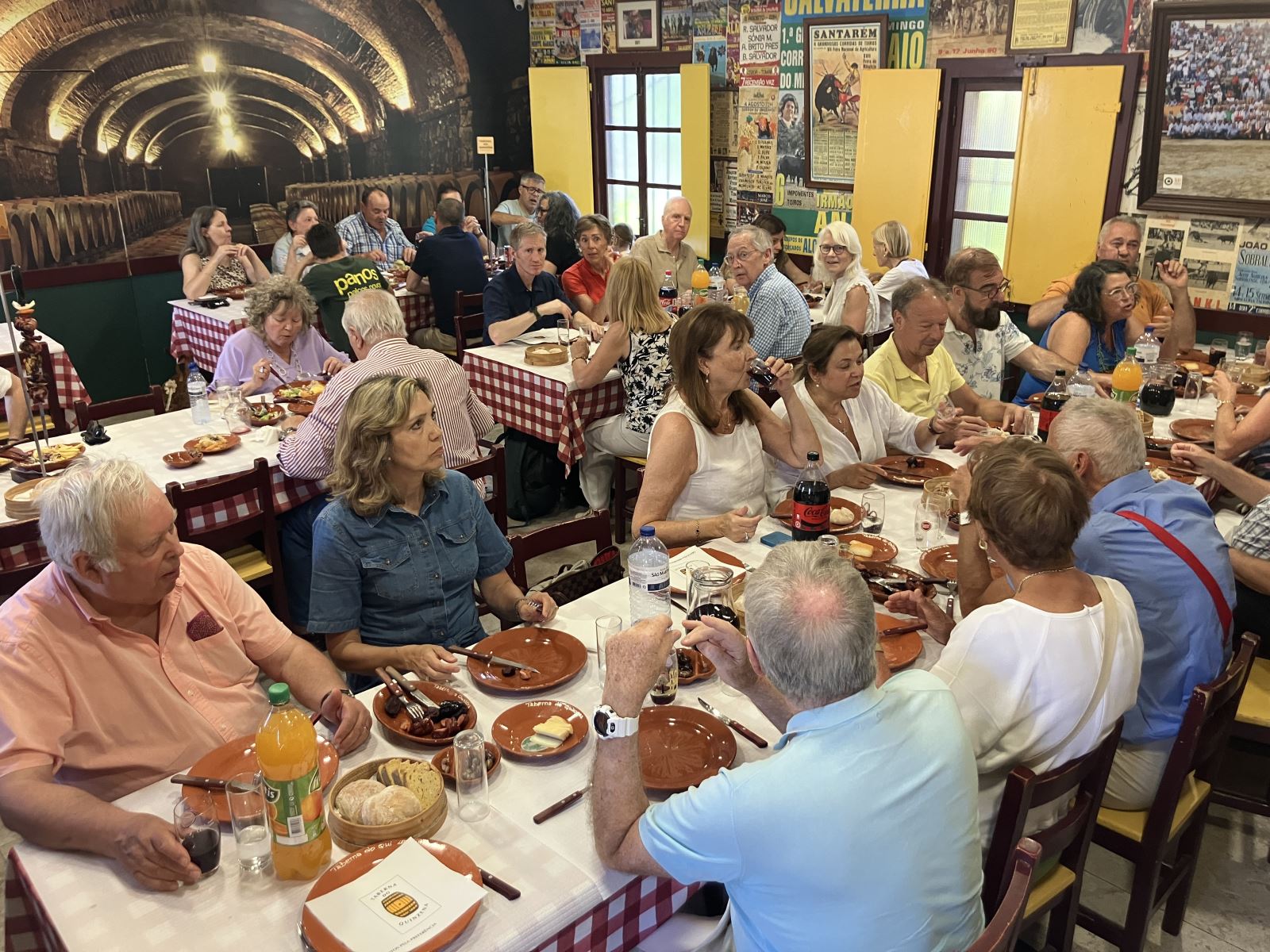 At the Igreja da Graça, built in 1380, we visited the tomb of Pedro Álvares Cabral, who ‘discovered’ Brazil in 1500 and saw the house next door where reputedly he once lived. Legend has it that one third of his body is buried in Belmonte where he was born, one third is in Rio de Janeiro,
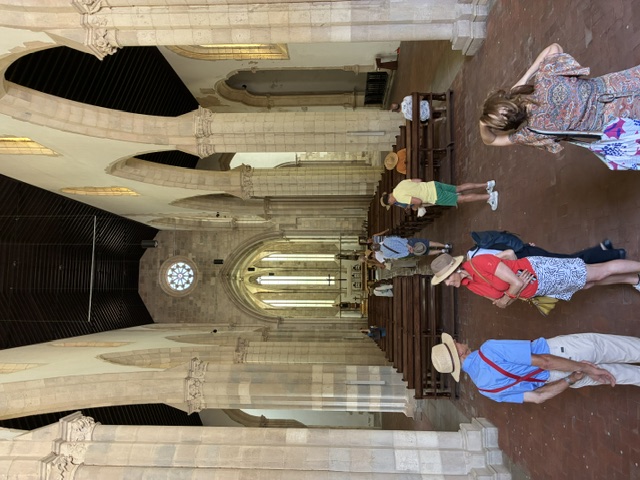
  and the other third in the Igreja da Graça church in Santarém. The other famous tombs are those of D. Pedro de Menezes, the first Governor of Ceuta and his wife, as well that of Menezes’ sister, who was a nun, and is literally buried half-in, half-out, as she was deemed to have sinned, having committed suicide. The church is famous for its large rose window made from just one stone. Next, we visited the Igreja do São João de Alporão, dating back to the end of the 12th century, the oldest Catholic Church in Santarém originating from the time of the Christian reconquest, which has many vestiges of the Hospitaller Order of Saint John (now known as the Order of Malta). With the first dissolution of the monasteries in 1834 it was converted to a theatre and later became a museum in 1889. It
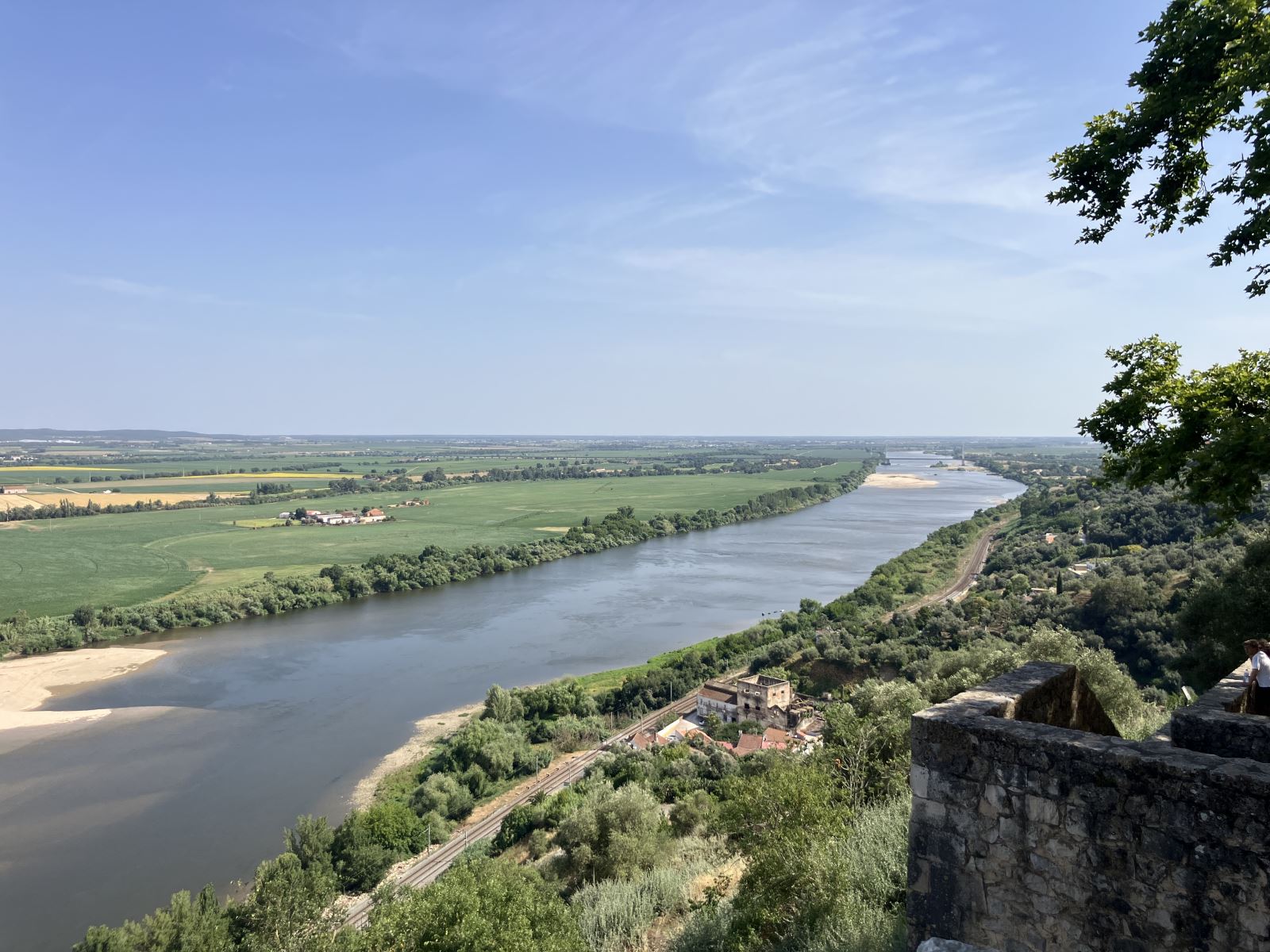
 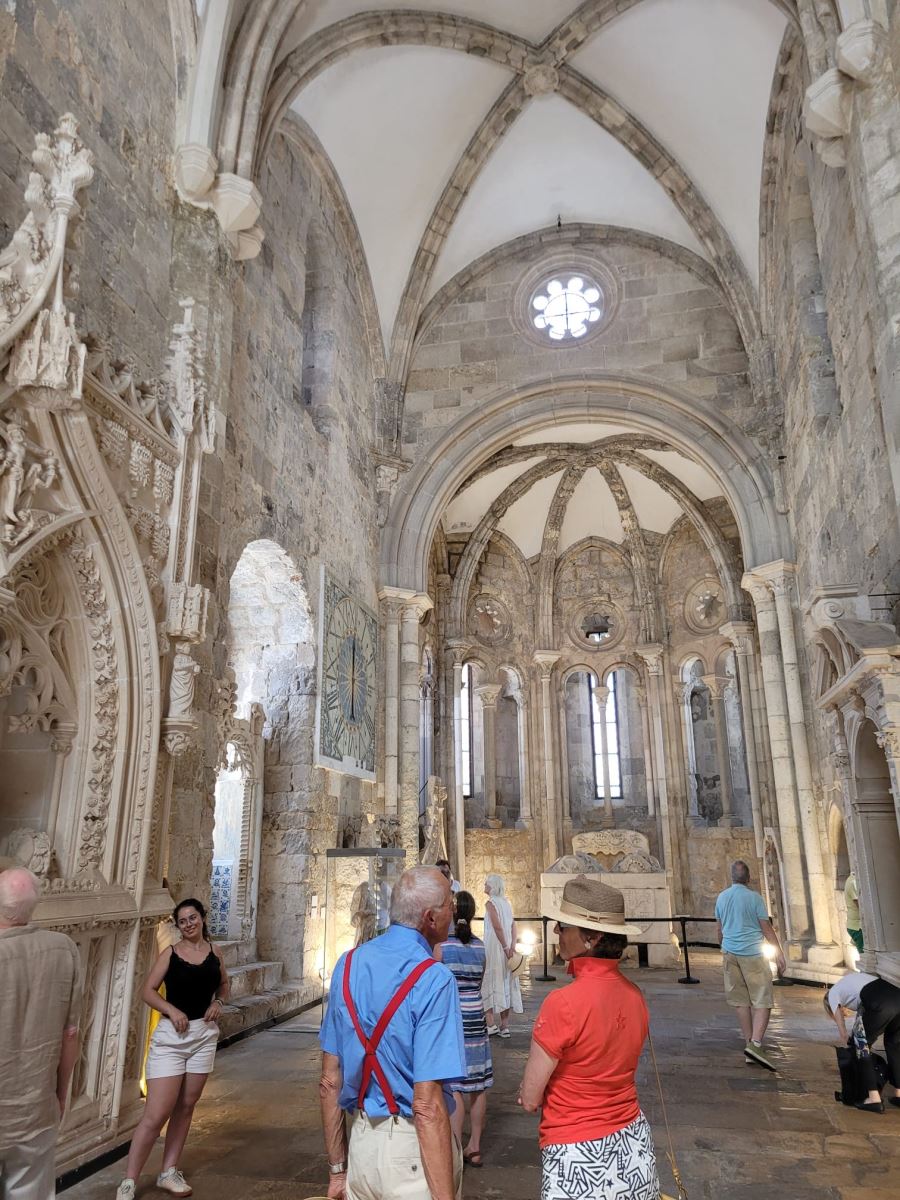 houses tombs relocated from the 13th century Monastery of São Francisco, when this became an Army cavalry barracks in 1927 until 1955. As recently as 2024, the imposing statue of the Archangel Gabriel was found in the garden in 2024. The tile clock on display was removed from the Igreja de Graca on the order of Salazar. To end the visit, we had a well-earned drink and ice-creams in the Porta do Sol Garden, site of the Moorish castle, which affords panoramic views over the River Tagus and the fertile Ribatejo plains. Fittingly, it was in Santarém, that Ginne Denistoun first found suitable lodgings in Portugal in 1963 to fufill her quest to bullfight, when she worked teaching English to the children of the Barros da Cunha family to support herself, whilst taking dressage lessons with Alberto most afternoons.
SUBSCRIBE TO OUR NEWSLETTER
